
Cracks
(in concrete)
The infrastructure in the Netherlands is on the verge of collapse. Is that a reason to panic? It doesn't seem like the average Dutch person feels that way. At most, there is some grumbling about traffic jams and the shortage of parking spaces. Until it really starts to hurt. Until you are seriously affected by it.
Friesland locked down
For instance, the watersports season has just begun. Sailing is a beloved sport for many Dutch people. But it does need to be possible. If you want to reach the Tjeukemeer in Friesland, for example, you'll come to a standstill at the Scharsterrijn bridge. The bridge is broken and unsafe to operate. There is no money for repairs. The bridge at Uitwellingerga is closed and restoration will take at least another three years. The bridge at Spannenburg is on the verge of collapse.
The consequence? A significant part of the lake region is closed to Frisian water recreation, while Friesland's economy leans heavily on tourism. Rijkswaterstaat is responsible for maintenance and renovation, but its coffers are empty. The province also lacks the means to step in financially. On top of that, even if by some miracle enough money suddenly became available, the situation described would still last another three years or so. So why no panic, locally?
This is just a fraction of the overall national picture. Critically essential nodes in the infrastructure are also in the danger zone. The Van Brienenoord bridge, the Moerdijk bridge, you name it. Apparently, few people realise that maintenance is of strategic importance for our prosperity and for the wellbeing of the country (and of Europe).
Can technology offer a (part of a) solution? The idea of sailing drones that can fly over a bridge obstacle? After all, more futuristic things have been realised that until recently were considered impossible. So, who knows.
Bacteria as repairers
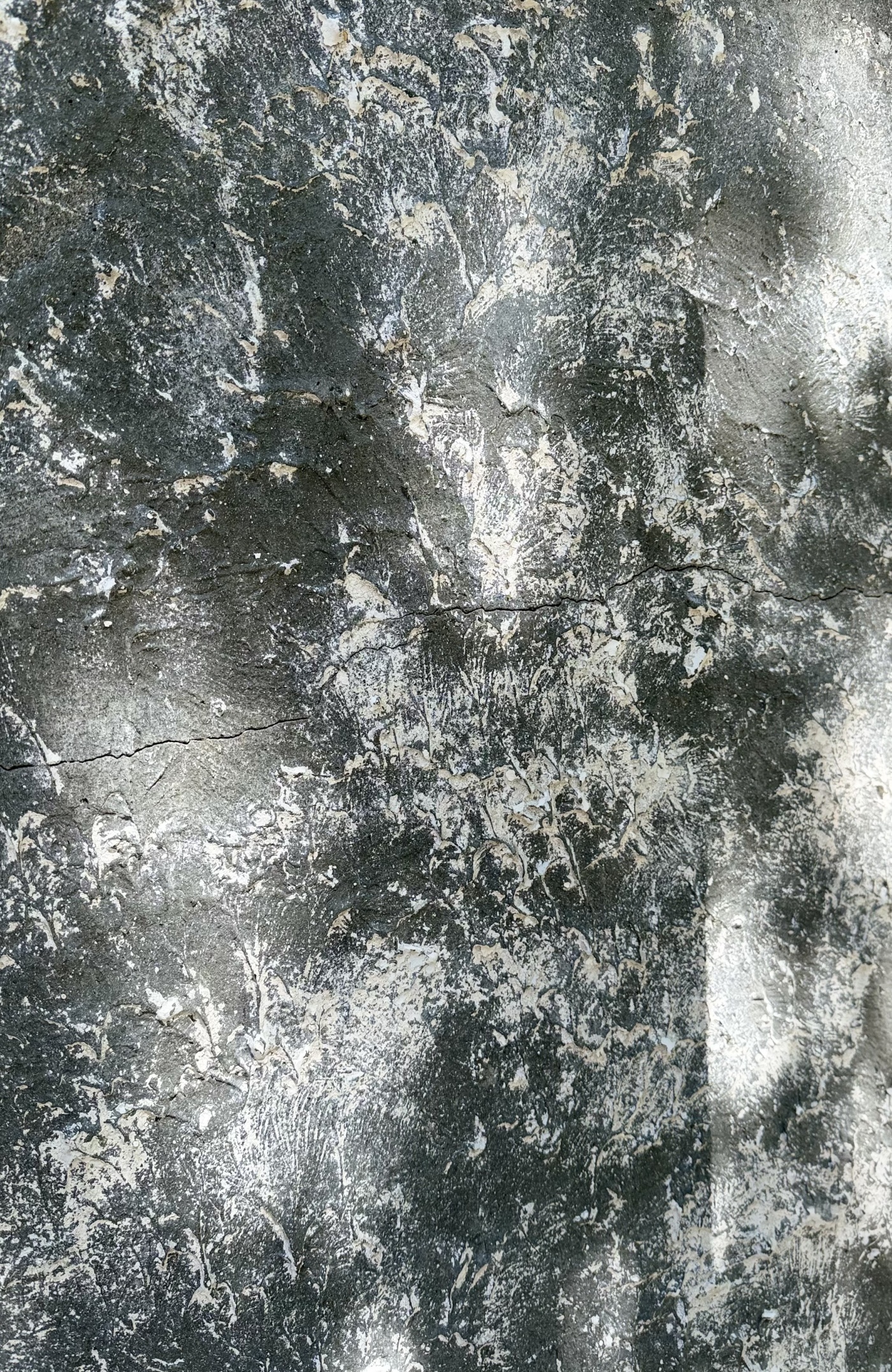
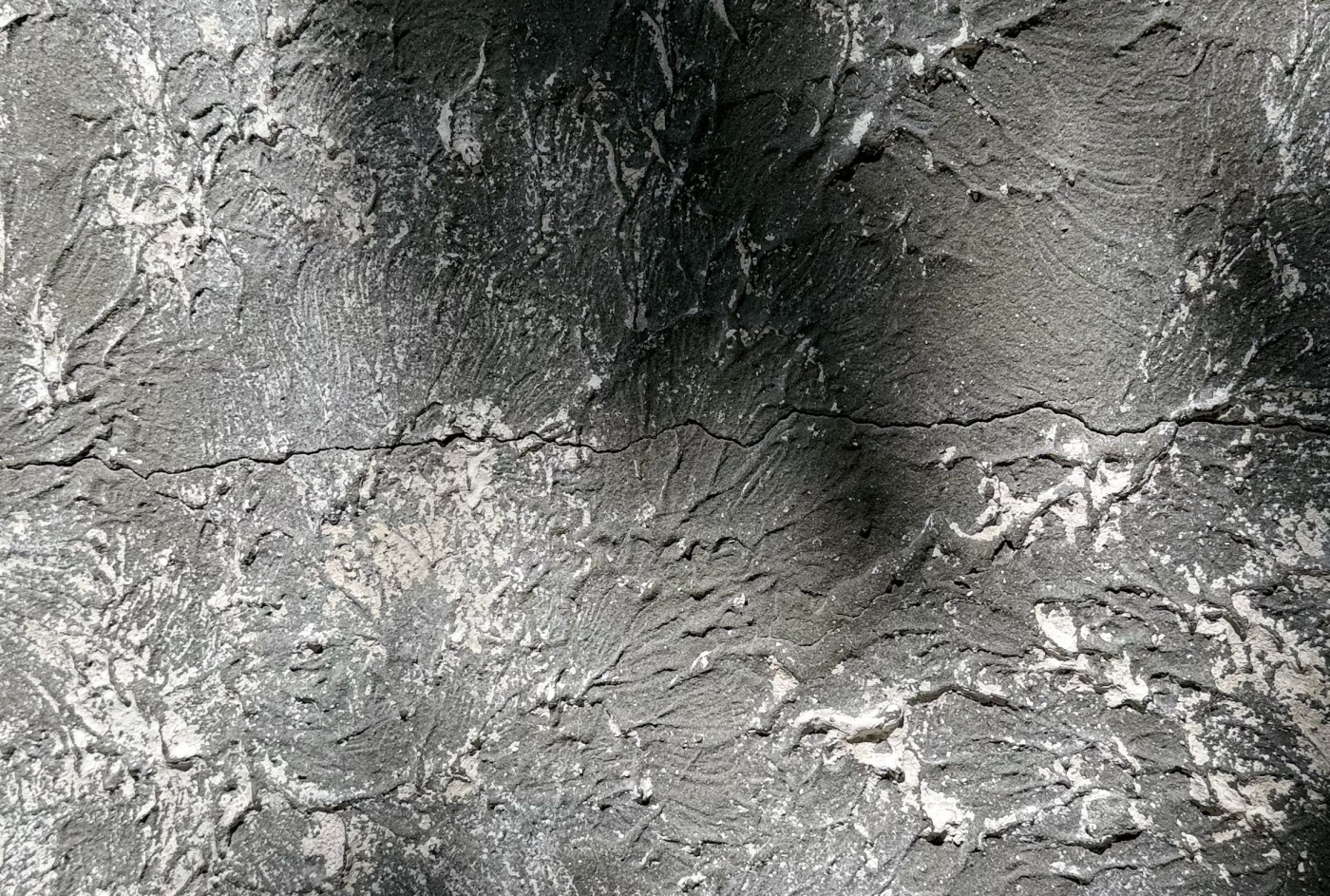
What is already possible and seems to be something of a miracle cure, is the natural healing of cracks in brick walls and aged, cracked concrete. Cracks in the walls of homes and the facades of larger buildings are often caused by heavy traffic and earthquakes (Groningen!). Small cracks in concrete are one of the feared phenomena that threaten our infrastructure. Not just bridges, but much more widely.
Can we repair the cracks without having to demolish half the bridge? But how? Our brilliant scientists at TU Delft have discovered that certain bacteria produce calcium carbonate in a moist environment. That is what creates the firm bond in the mortar in masonry. These productive bacteria are encapsulated in small granules together with a nutrient. When this comes into contact with water, the bacteria become active. A bricklayer mixes these granules into the mortar, and when a crack appears in the masonry, the bacteria get to work and neatly fill the crack again.
This works in a similar way for concrete, which has therefore been given the name 'self-healing concrete'. It is already being applied commercially on a small scale, but the (often rather cautious) construction sector reacts sceptically. There is, however, a sense that it could have a very promising future for the renovation industry. It will certainly benefit the lifespan of renovations.
A future for our heritage
Self-healing masonry is currently being researched at TU Delft by PhD candidate Belen Gaggero. The initial results are promising: cracks in mortar are filled by the bacteria with calcium carbonate. Application in actual buildings still requires more research under realistic conditions.
We are not yet applying this technique, but we are closely following the developments. According to the researchers, self-healing masonry could be especially valuable for monumental buildings, since a single intervention is enough and the bacteria take over the work from there. It may well offer future opportunities for the preservation of our heritage.
Something we will of course be keeping a close eye on!
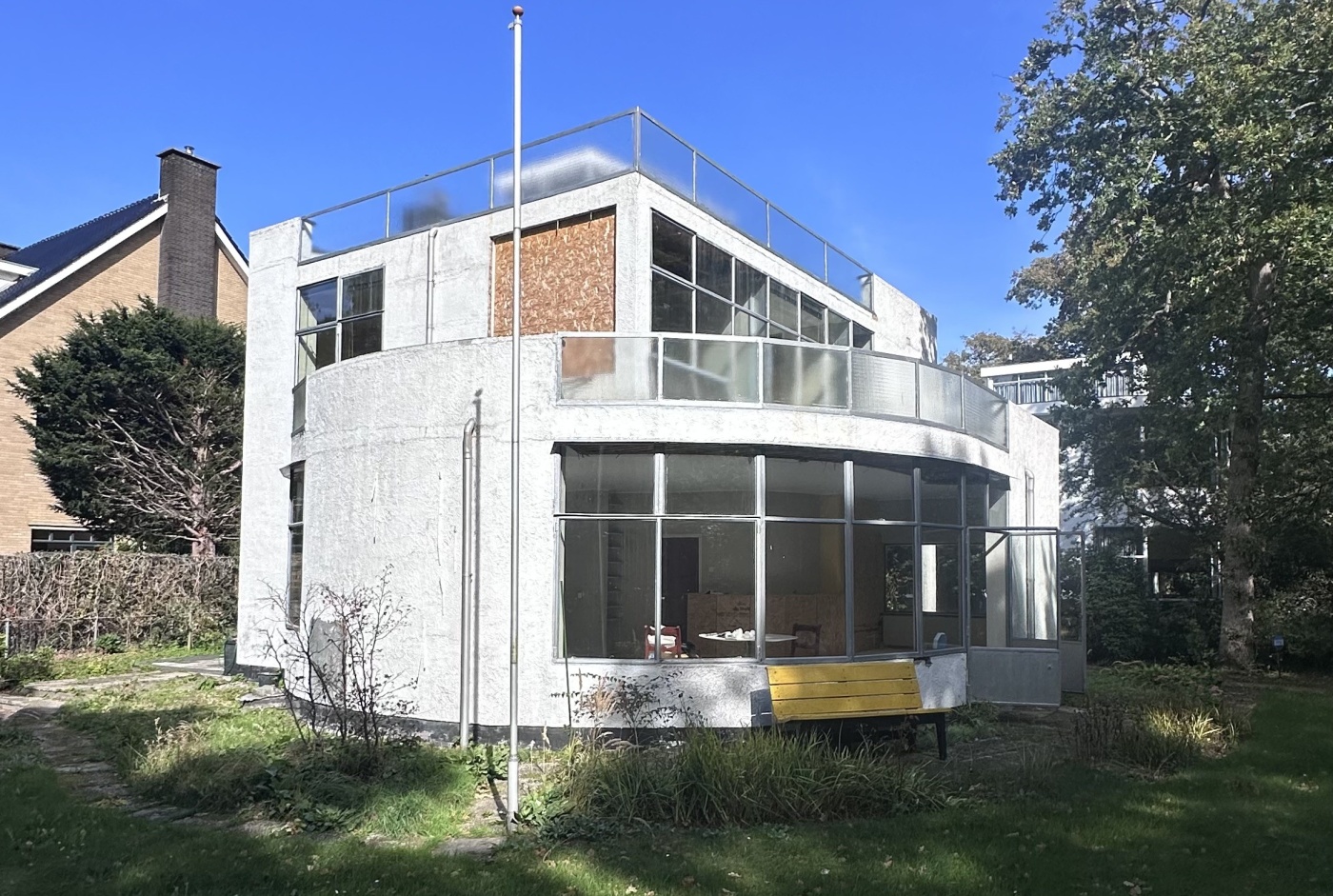
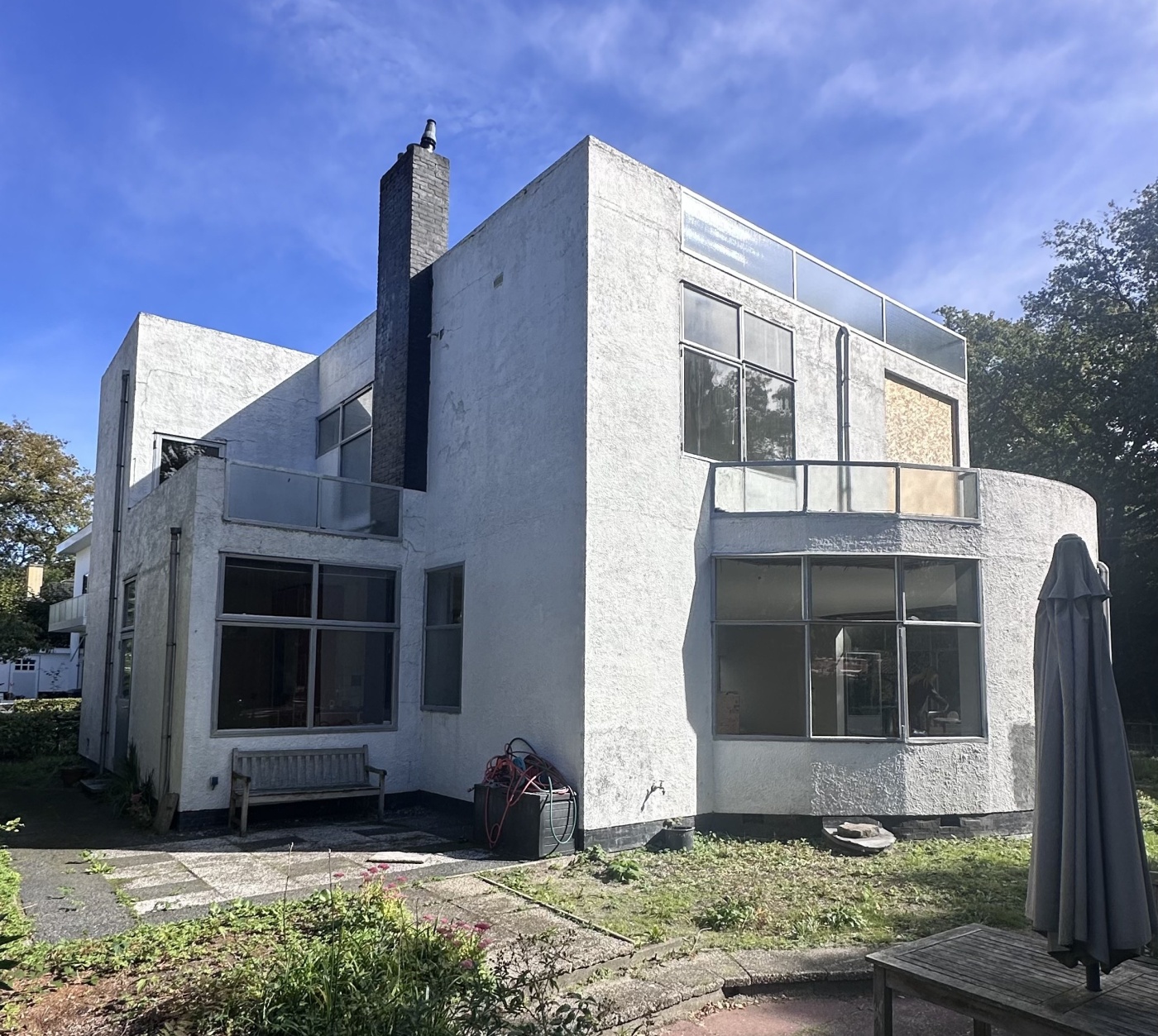
The photos used for this newsletter are from our heritage restoration project of a home designed by Gerrit Rietveld.